Need help
The Impact of Space and Height on Architectural Design
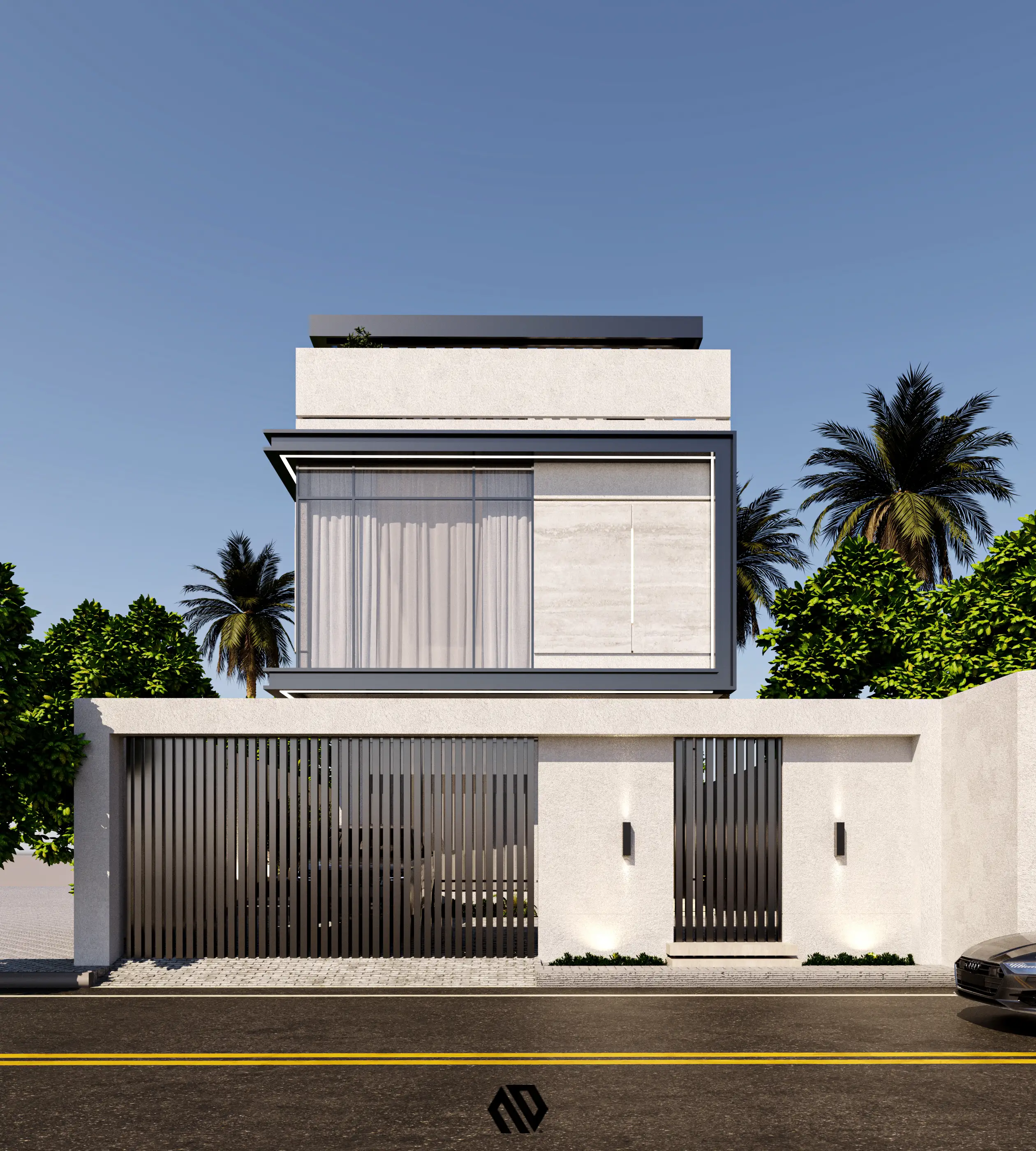
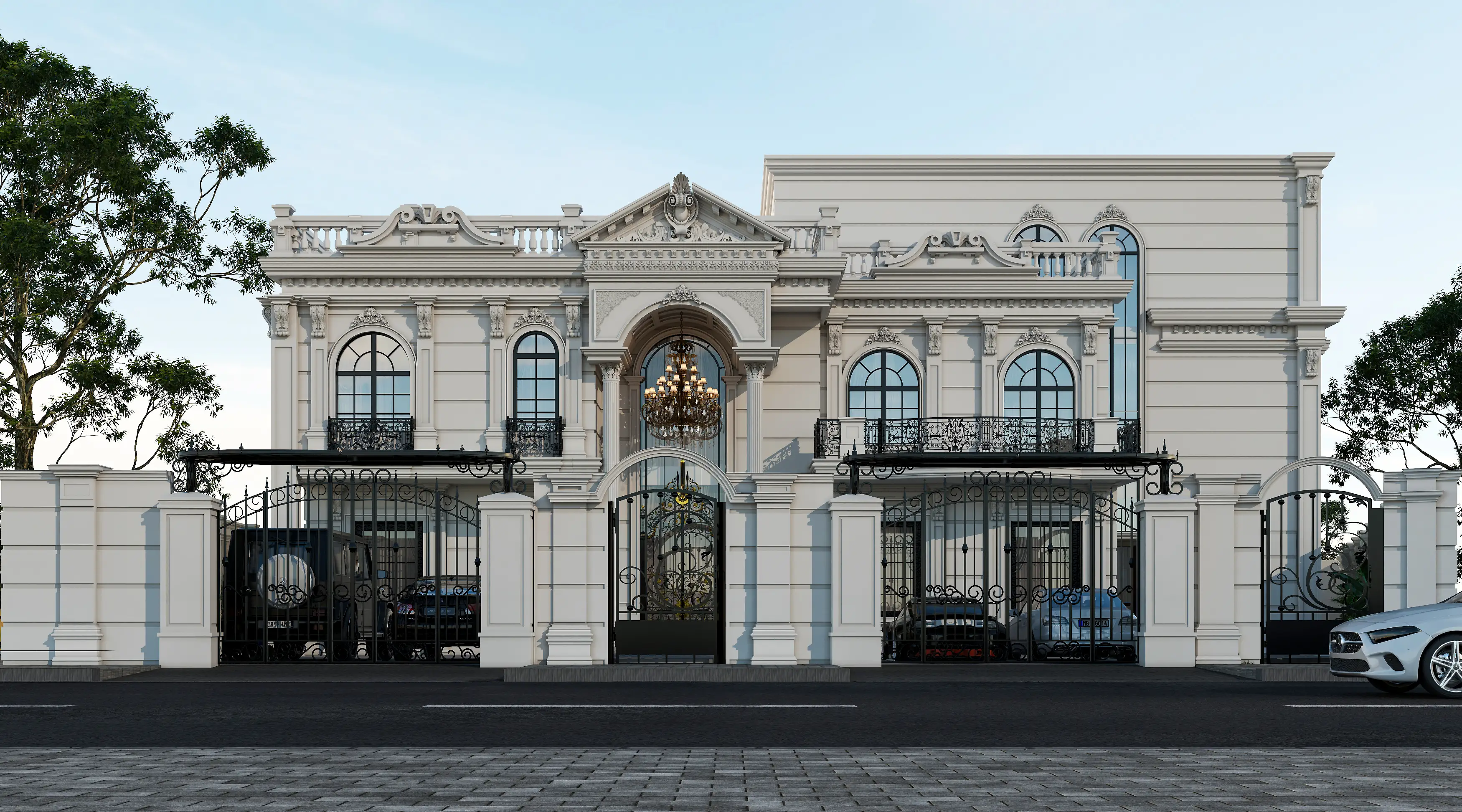
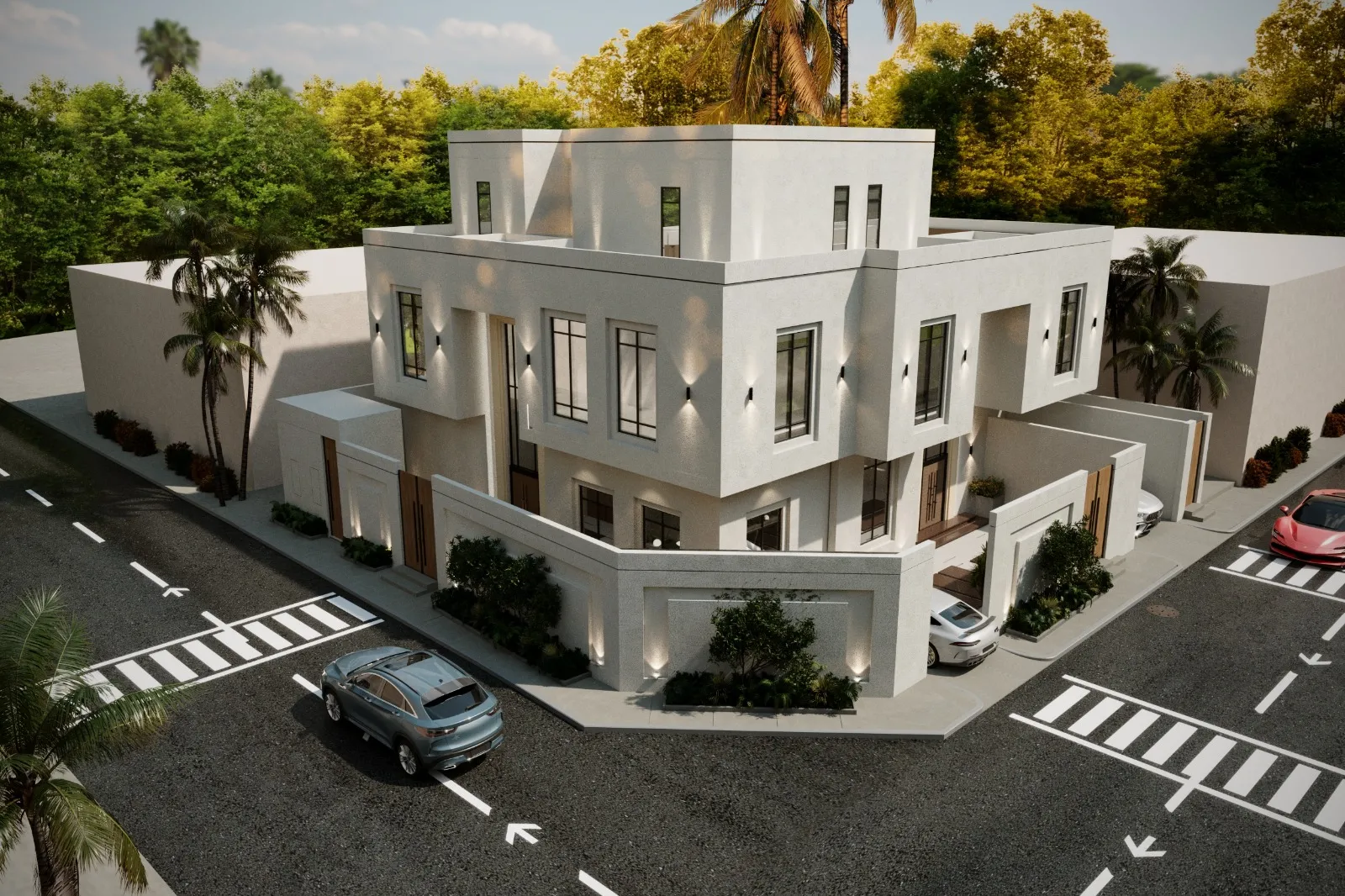
Space and height are fundamental elements in architectural design, directly affecting user comfort and building efficiency. Good design is not just about total area, but how it is distributed and used effectively.
Ceiling heights, room sizes, and the relationship between spaces define the overall experience. A consulting engineer ensures a balanced design that is both functional and comfortable.
Efficient space planning is key to successful design.
Poor layouts waste space and reduce usability, while smart planning maximizes every square meter.
Rooms, corridors, and services are arranged for smooth movement and comfort.
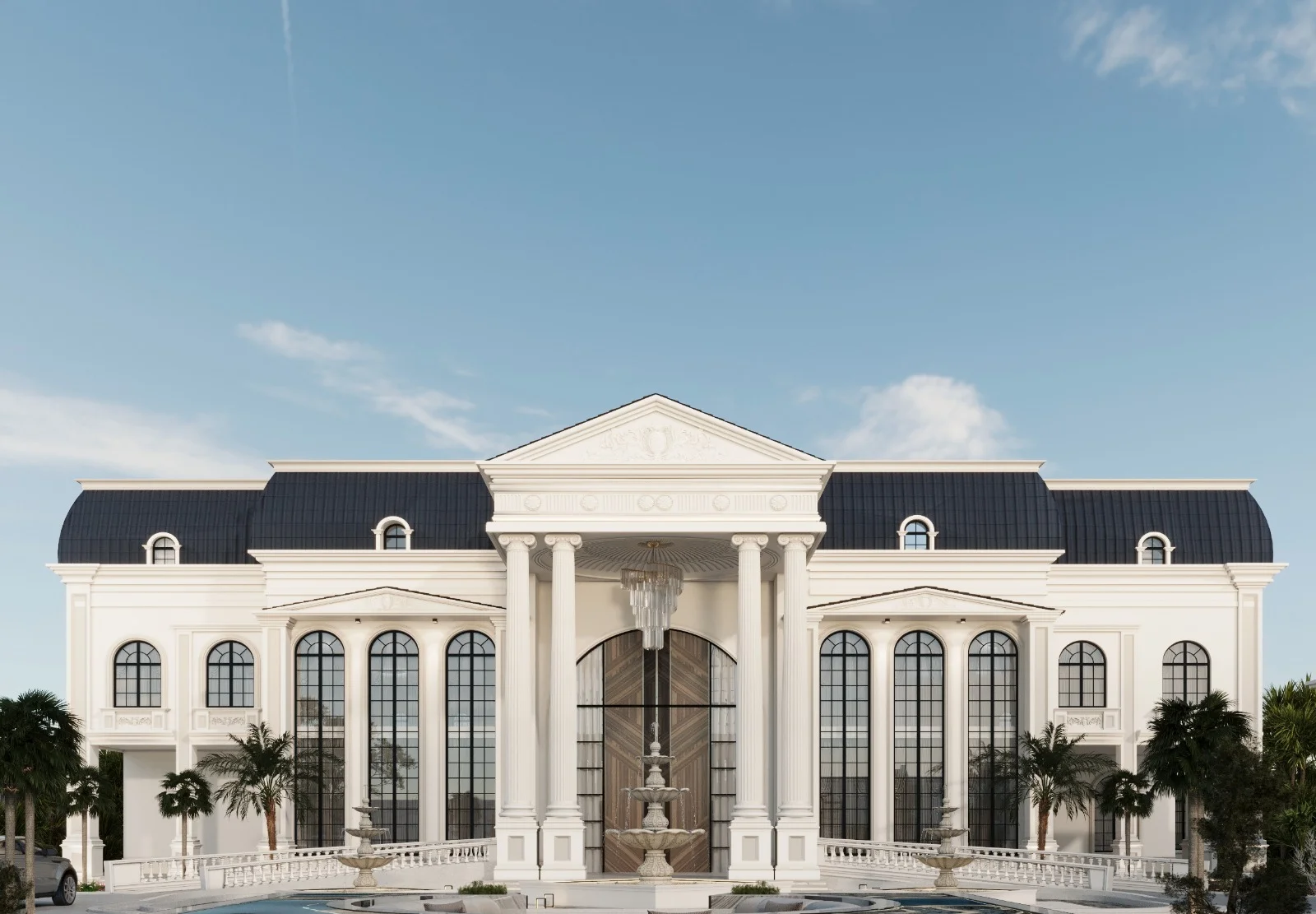
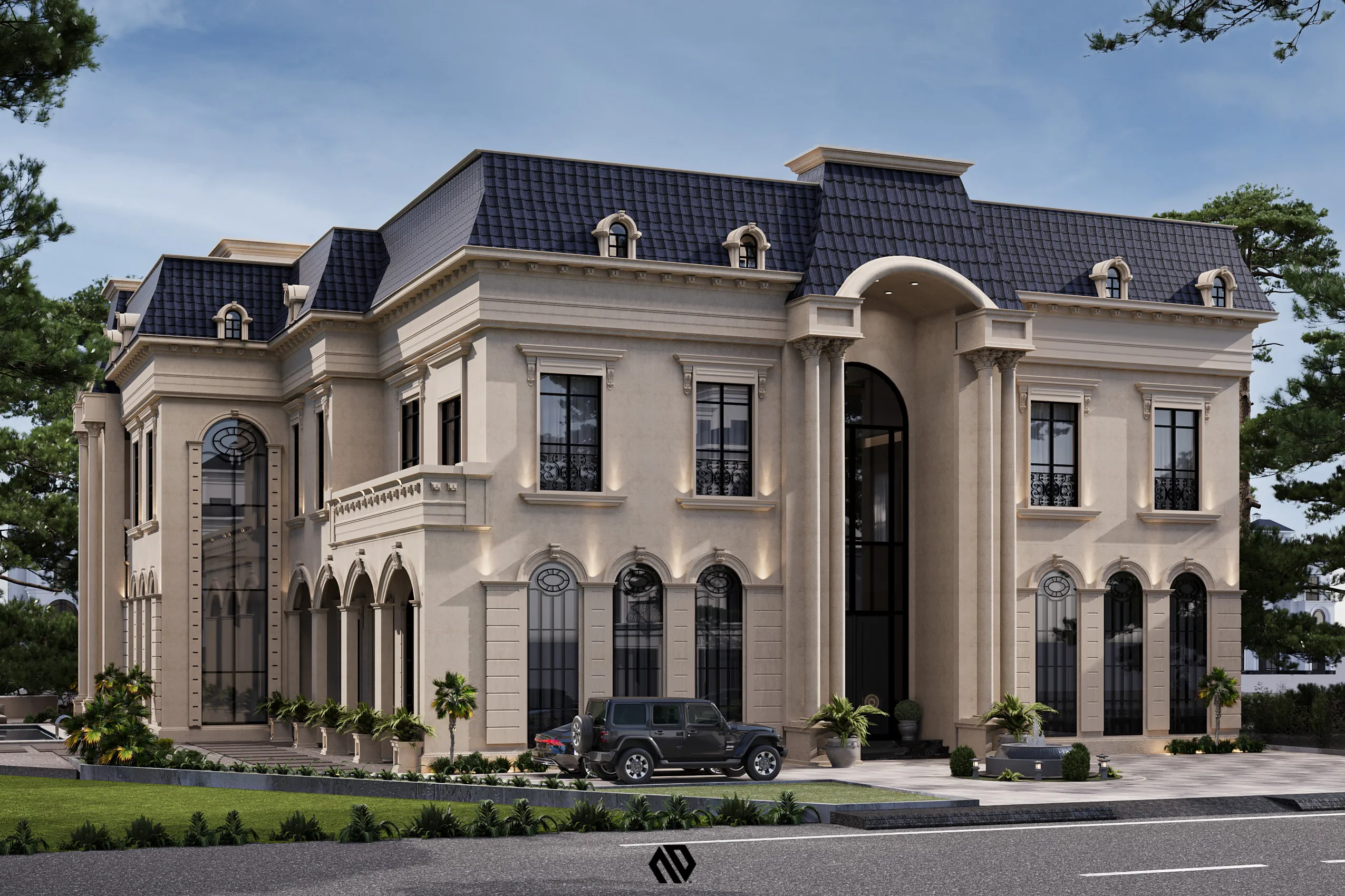
Ceiling height greatly affects comfort.
High ceilings create a sense of openness and luxury, while low ceilings may feel restrictive.
However, excessive height can increase energy and maintenance costs.
Every space should serve a clear function.
Good design aligns space with its purpose for maximum efficiency.
Open areas suit social activities, while enclosed spaces provide privacy.
Larger spaces improve natural lighting and ventilation.
Smaller areas may require additional solutions.
Proper planning ensures a healthy and comfortable environment.
Larger spaces and higher ceilings increase costs.
A balance must be achieved between needs and budget.
A consulting engineer ensures efficient design within budget limits.
Engineering consultancy determines the ideal dimensions for each space.
A consulting engineer ensures balance between comfort, efficiency, and cost.
Managing space and height is a key to successful design.
A well-balanced design enhances comfort and efficiency.
Working with a consulting engineer ensures the best outcome.