Need help
The Role of Natural Lighting in Architectural Design
In the world of modern architectural design, lighting is no longer a secondary element added at the end of a project; it has become a fundamental component planned from the very beginning. Natural lighting, in particular, plays a significant role in improving the quality of life within buildings, as it directly impacts users’ comfort, mental well-being, and productivity.
Smart architectural design does not rely solely on artificial lighting; it seeks to maximize the use of natural light in the best possible way. Here, the consulting engineer plays a key role in designing spaces that allow balanced daylight without causing excessive heat or visual discomfort.
Natural lighting is not just a means of illumination; it is an element that impacts users’ overall well-being. Exposure to natural light helps improve mood, reduce stress, and increase focus and productivity. It also makes spaces more comfortable and appealing, whether in homes, offices, or commercial environments.
For this reason, modern architectural design integrates natural lighting as a core part of planning rather than treating it as an optional addition. One of the key benefits of natural lighting is reducing reliance on artificial lighting, which significantly lowers electricity consumption. In large-scale projects, lighting can account for a substantial portion of energy use, making natural light utilization essential for reducing operational costs. It also supports sustainability and minimizes environmental impact.
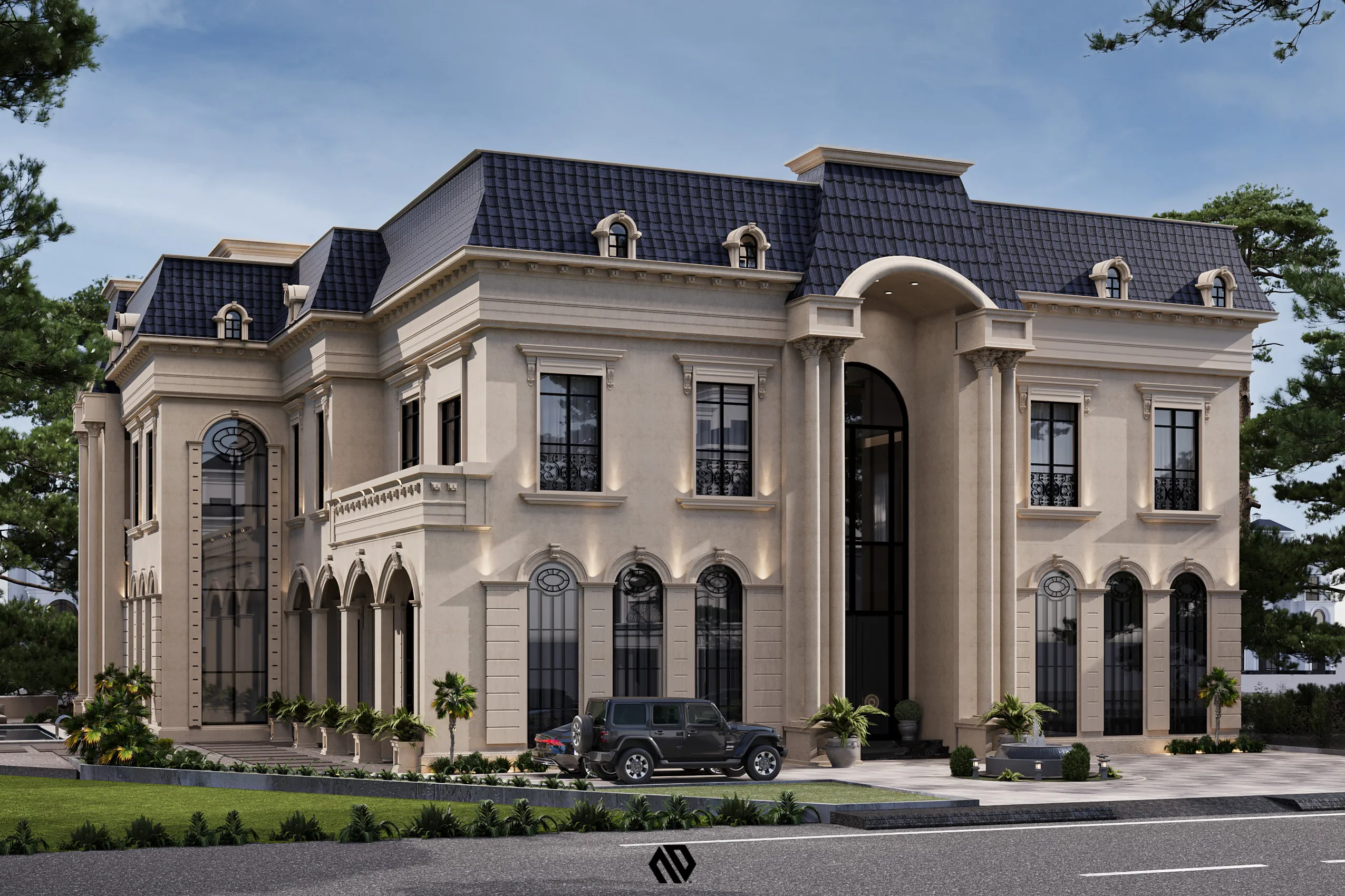
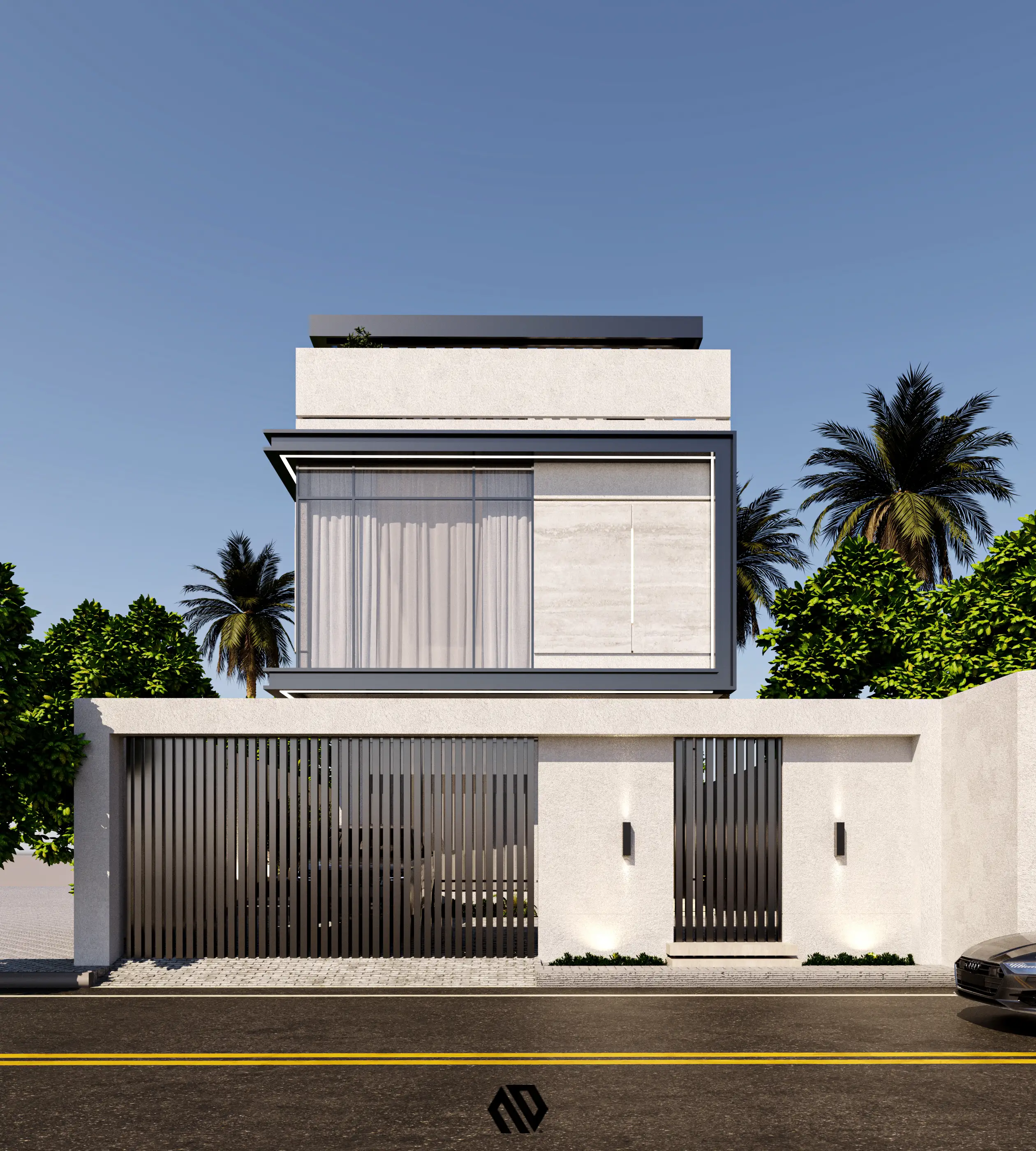
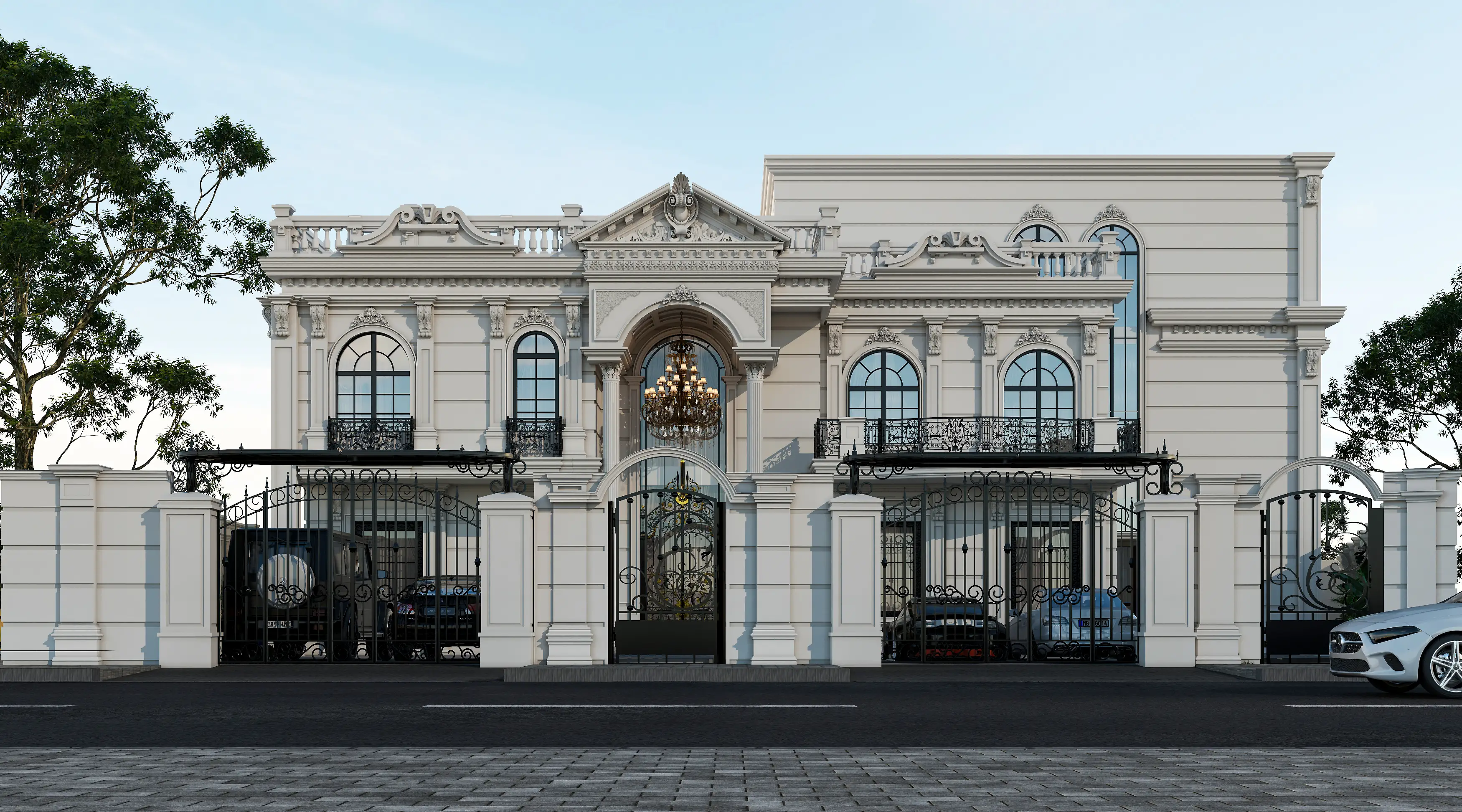
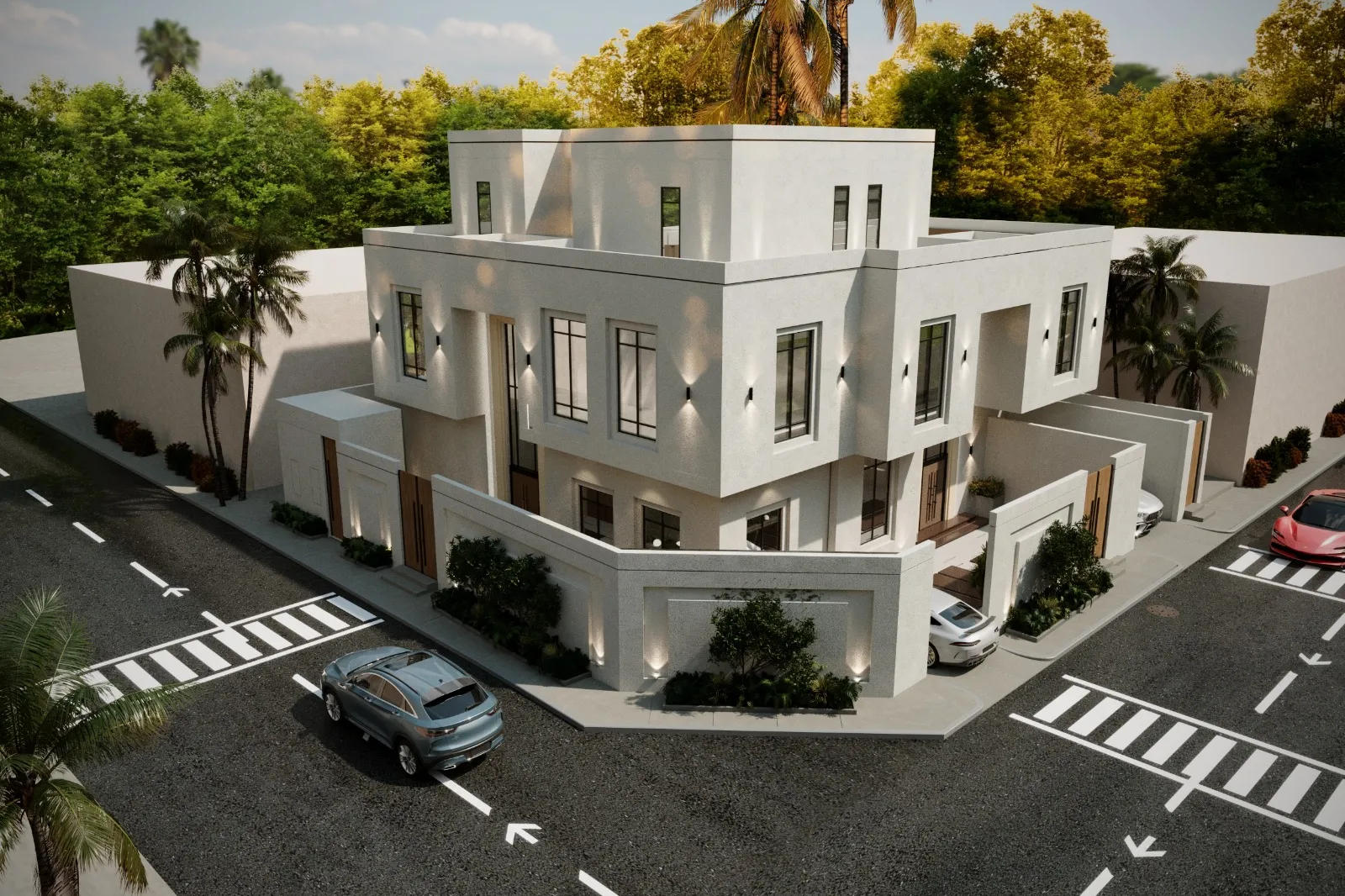
The success of natural lighting largely depends on the distribution of openings and windows within the building. A well-thought-out design ensures balanced light without causing glare or excessive heat. Window size and orientation are carefully selected to maximize daylight efficiency. The consulting engineer plays a crucial role in defining these details to achieve optimal performance.
Visual comfort is a key element in any successful architectural design. Natural lighting helps reduce eye strain and improves visibility, especially in work and study environments. However, light intensity must be controlled to avoid glare, using solutions such as shading devices or smart design.
Natural lighting also has a strong impact on interior design, as it enhances the appearance of colors and materials. Spaces that rely on daylight appear more spacious and vibrant, improving the overall user experience. Therefore, coordination between architectural and interior design is essential to achieve the best possible outcome.
Engineering consultancy firms play a vital role in designing integrated natural lighting systems by studying the site and sun orientation. The consulting engineer ensures a balance between lighting and heat, maximizing benefits without compromising user comfort.
In conclusion, natural lighting is a key factor in the success of architectural design, as it combines comfort, efficiency, and sustainability. Adopting a smart design that maximizes natural light can make a significant difference in the overall quality of a project. Therefore, working with a professional consulting engineer ensures achieving the best results.